
Editing That Matches the Manuscript's Needs
Not every manuscript needs the same level of editing. A first novel may need developmental guidance on structure, pacing, character development, or point of view. A memoir may benefit from stronger organization and consistency while protecting the author's personal voice. A business or nonfiction book may need clarity, logical flow, terminology consistency, and reader-friendly explanations. The appropriate editing level should be determined after considering the manuscript's condition, genre, audience, and publishing goals.
Developmental Editing, Line Editing and Copyediting
Developmental editing looks at the big picture: structure, organization, pacing, narrative logic, and the overall reader experience. Line editing examines how the writing works at sentence and paragraph level, including clarity, tone, rhythm, and unnecessary repetition. Copyediting focuses on grammar, punctuation, spelling, usage, consistency, and editorial style. These services can overlap, but they serve different purposes. Explaining the distinction helps authors choose the right editorial path instead of paying for a service that does not address their actual manuscript needs.
Final Proofreading Before Publication
Proofreading is the final quality-control stage after editing and formatting. It is intended to catch remaining typographical errors, punctuation problems, spacing issues, inconsistent headings, page-number problems, and other visible mistakes. A final proofread is especially valuable after the interior has been laid out because formatting can introduce issues that were not visible in the original manuscript.
A Collaborative Editorial Process
The goal of professional editing is not to make every author sound the same. Editors should help readers understand the book while respecting the author's established voice. A practical workflow may include manuscript assessment, editorial recommendations, editing, author review, revisions, and final proofreading. The exact scope depends on the manuscript and the service selected.
Learn about our publishing team and discuss the scope your book needs before starting a project.
Let's Bring Your Story to Life
Every story deserves to be told with care and distinction. Share your vision with us, and we'll guide you through every step to create a book that reflects your voice, expertise, and impact.
Top eBook Content Writing
Literary Excellence in Children Book
2023 Book Award Winner: Non-Fiction Book

Top Product Marketing
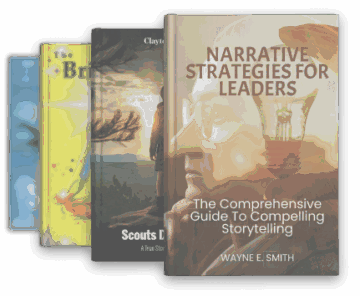

Join Thousands of Writers Who
Became Published Authors

Sharing my story through a book has been a lifelong dream… and today, it’s finally real!
Aaliyah Parker • Author of “Journey to Clarity”
Frequently Asked Questions
What type of book editing do I need?
It depends on the condition of the manuscript. Developmental editing is useful for structure and big-picture issues; line editing improves style and clarity; copyediting addresses language and consistency; proofreading is the final quality check.
How is proofreading different from editing?
Editing improves the manuscript itself, while proofreading is a final check for remaining errors after the text and layout are substantially complete.
Do editors change an author's voice?
Professional editing should aim to improve clarity and consistency while respecting the author's voice, intent, and creative direction.
Can you edit fiction and nonfiction books?
The editorial approach can be adapted to the genre, audience, manuscript condition, and publishing goals. Fiction and nonfiction often require different editorial priorities.
Let’s Talk About Your Book
Ready to take the next step with your book? Contact Rockwell Book Press to discuss your manuscript, publishing goals, and the services your project needs.
Discuss Your Project