
What Professional Proofreading Checks
A proofreading pass can identify remaining spelling mistakes, punctuation errors, inconsistent capitalization, repeated words, spacing problems, obvious formatting inconsistencies, and other issues that may have survived earlier editorial stages. The exact scope should be defined before work begins because proofreading is not a substitute for a full developmental or copyedit.
Proofreading the Formatted Book
For a print book, proofreading should also consider the designed interior. Page breaks, headings, chapter openings, page numbers, widows and orphans, spacing, captions, tables, and other layout elements can create problems after the manuscript has been formatted. A final proof stage helps the author review the book as a reader will actually encounter it.
Fiction, Memoir and Nonfiction Proofreading
Proofreading priorities can vary by genre. Fiction may require careful character names, dialogue punctuation, chapter continuity, and stylistic consistency. Memoir may require close attention to names, dates, places, and personal terminology. Nonfiction can require consistency in headings, references, terminology, tables, and other structured information.
A Final Check Before Publication
The ideal time for final proofreading is after substantive editing and formatting are complete, but before the publication file is approved. Authors should have an opportunity to review the proof and confirm changes. The goal is not to make endless revisions; it is to catch the remaining issues that could affect the reader's experience or the professionalism of the final book.
Learn about our publishing team and discuss the scope your book needs before starting a project.
Let's Bring Your Story to Life
Every story deserves to be told with care and distinction. Share your vision with us, and we'll guide you through every step to create a book that reflects your voice, expertise, and impact.
Top eBook Content Writing
Literary Excellence in Children Book
2023 Book Award Winner: Non-Fiction Book

Top Product Marketing
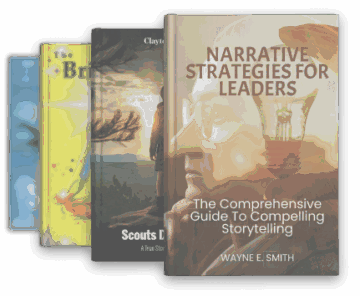

Join Thousands of Writers Who
Became Published Authors

Sharing my story through a book has been a lifelong dream… and today, it’s finally real!
Aaliyah Parker • Author of “Journey to Clarity”
Frequently Asked Questions
What is the difference between proofreading and copyediting?
Copyediting improves grammar, usage, consistency, and style throughout the manuscript. Proofreading is the final check for remaining text and layout errors after the major editorial work is complete.
Should I proofread after formatting?
Yes. Formatting can introduce page-level issues, so a final proofread of the designed book is valuable before publication.
Can proofreading fix major story problems?
Proofreading is not intended to resolve major structural or developmental issues. Those are better addressed through developmental editing or substantive revision.
Can you proofread a novel or nonfiction book?
Yes, proofreading can be adapted to fiction, memoir, nonfiction, and other book types, with the checklist adjusted to the project's needs.
Let’s Talk About Your Book
Ready to take the next step with your book? Contact Rockwell Book Press to discuss your manuscript, publishing goals, and the services your project needs.
Discuss Your Project